
PoW, Proof of Work
After much deliberation, I selected Waponiwa as a suitable addition to our group due to his exceptional knowledge of indigenous flora found within the dense Amazonian jungle. This skill set, combined with his renowned reputation as the Keeper of Forest among the Paititi-Panthera tribe, makes him an ideal candidate to aid us in our quest for discovering new medicinal plants and endangered botanical species.
Furthermore, his experience in working closely with other environmental groups will prove instrumental in fostering successful partnerships vital to achieving our objectives. Join me now in welcoming Waponiwa aboard. Together we shall embark upon this exciting journey into the uncharted territories of the Amazon jungle.
Waponiwa is a proud member of the Paititi-Panthera tribe residing deep within the South American jungles. As the keeper of the forest, he knows its secrets better than anyone. His dedication to preserving the balance of nature earned him respect among his fellow tribesmen and helped maintain the harmony crucial to their survival. With each passing year, the threats against the natural world intensify but Waponiwa stands firm and watches over the land entrusted to his care.
A skilled protector of the environment, Waponiwa holds significant standing among members of the Paititi-Panthera tribe. Waponiwa has an unparalleled understanding regarding local vegetation. These strengths gained recognition outside his native lands too. Ecowarriors of the Metaverse recently recruited Waponiwa to play a key role in identifying rare plant life throughout various regions across the globe given his profound expertise in the field. By combining forces with such organizations committed to safeguarding our planet's precious resources, Waponiwa continues making meaningful contributions towards sustaining healthy ecosystems globally.
The Paititi-Panthera tribe, though steeped in rich history and traditions, represents just one of numerous alliances dotting the landscape throughout the South American rainforests. Each affiliation brings unique insights and abilities to the table when confronting challenges and opportunities faced regionally. Our cooperative venture involving various Native Amazonian communities serves as a prime example showcasing their interconnectedness. These cohesive relationships help ensure continued success for our mutual aspirations. Thus, while the Paititi-Panthera remain integral partners, they are only part of the larger mosaic composing a complex network aiming to preserve cultural heritage and protect the lush Amazonian wilderness.
Why Waponiwa?
LEFT EAR: 10 LEAVES REPRESENTING ENDANGERED BOTANICAL SPECIES, 19th TRAIT
The 18th trait, “Earrings” hangs from the Leaves that represent the Left Ear trait
Ecowarriors of the Metaverse were programmed to roam the Earth, searching for endangered botanical species. After much searching, the Ecowarriors of the Metaverse, under the command of Waponiwa, identified 10 leaves of particularly endangered plants that held the key to saving the planet's ecosystems.
The robots set out to protect and preserve these 10 leaves at all costs. They used their advanced technology to create perfect conditions for the plants to thrive, from replicating ideal temperatures to ensuring the plants had access to clean water and air. They also used their surveillance capabilities to monitor the plants' surroundings and protect them from threats such as poaching and illegal logging.
Thanks to the tireless efforts of the Ecowarriors of the Metaverse, the 10 endangered botanical species began to flourish once more. As the plants grew and spread, the robots' actions led to a ripple effect, revitalizing entire ecosystems and bringing balance back to the planet. The Earth's climate stabilized, and the weather patterns returned to normal. The oceans were cleaner, and a wide variety of animals and insects returned to the once-barren landscapes.
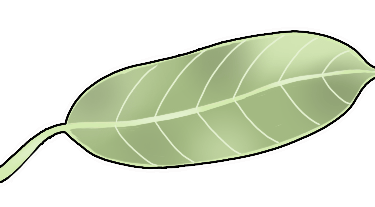
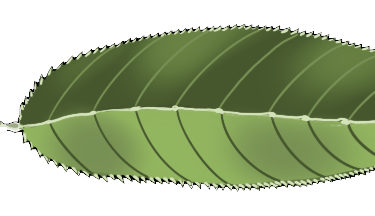
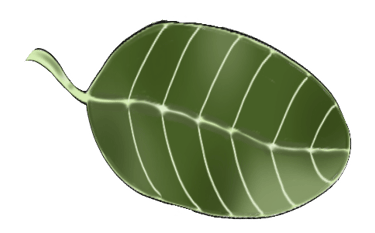
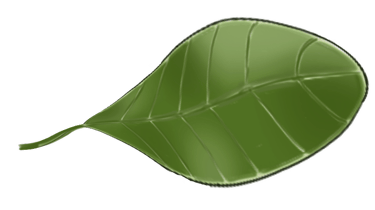
Name: African Mahogany Leaf
Amidst the thriving greenery of Africa's tropical rainforests lies a tree known locally as African Mahogany (Khaya senegalensis) - a magnificent canopy giant threatened by human exploitation for timber and agricultural expansion. Its intricate bark provides shelter for insects essential to seed dispersal processes, ensuring proper regeneration of this fragile ecosystem. In recent decades, logging activities have led to diminishing numbers of African Mahogany trees. Such losses raise concerns for both conservationists and locals who rely heavily on the forest for sustenance and medicine. Fortunately, concerted efforts via replanting initiatives and government regulation are underway to stem the tide of this decline before it becomes catastrophically irreversible. Let us do what we can to support these endeavors protecting Earth's biodiversity and sustainable living conditions.

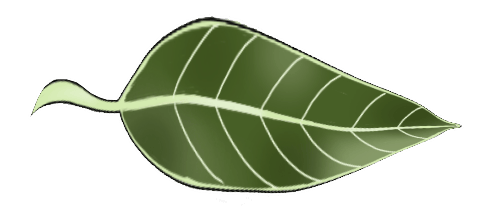
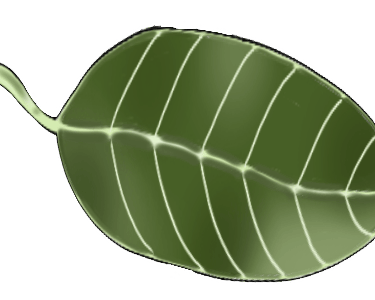
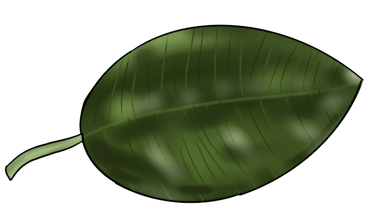
Name: Acaju-catinga Leaf
Catingas, or Vochysia sphaerocephala, commonly referred to as Acaju-Catinga leaf, form a crucial component of Brazil's Atlantic coastal rainforest. Unfortunately, deforestation caused by expanding urban developments jeopardizes survival prospects for this vulnerable tree family. The leaves constitute vital food sources for several butterfly larvae and nectar sources for birds. Moreover, they contribute significantly to soil stabilization during heavy rainfall periods within the rainforest floor. Natives also extract pink-colored dye for their ceremonial garments using components derived from Catinga trees. Scientific studies suggest utilizing alternative crops compatible with preserving natural habitats could provide economic support without risking extinction for Catingas. Therefore, global acknowledgment and urgent measures addressing habitat degradation are necessary to secure its future existence in balance with thriving wildlife populations.
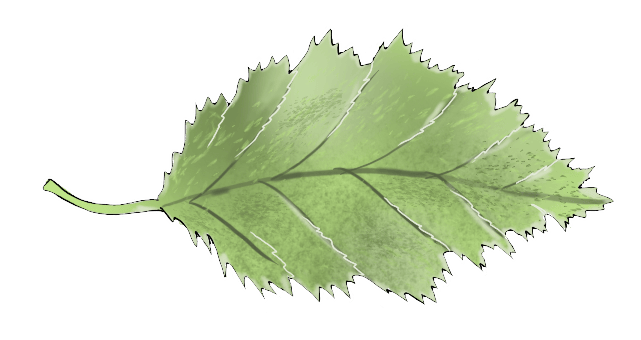
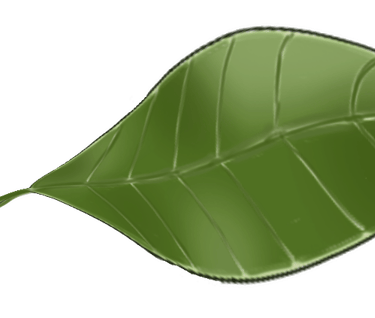
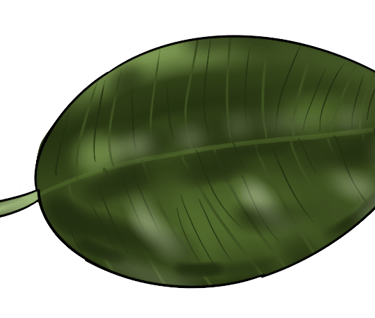
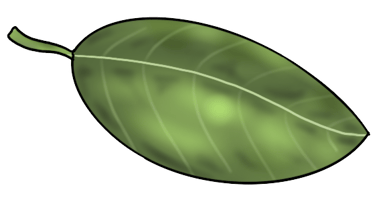

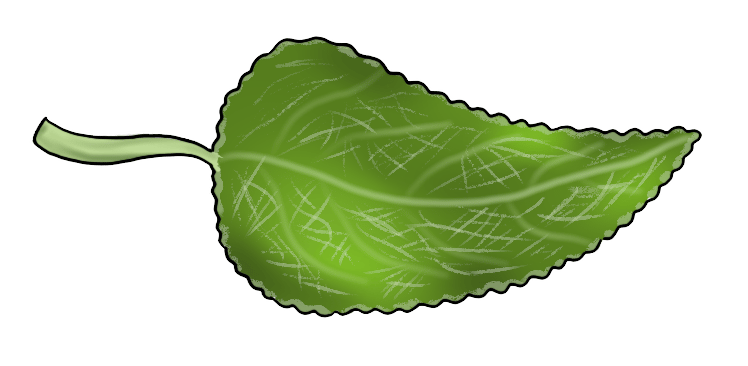

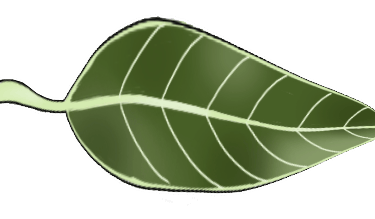
Name: African Redwood Leaf
Africa, home to countless beautiful native floral species, harbors one particular plant classified as red-listed: Afrocarpus falcatus, more popularly known as African Redwood or African Wood Oil Leaf. With ever-expanding urban development encroaching upon pristine environments, conservation has become crucial. As the tree ages, it begins emitting oil onto surrounding vegetation. The scientific world remains unsure why exactly it secretes such oils; however, local communities attribute miraculous powers. Many ethnic cultures employ the substance in religious rituals associated with healing and spiritual protection, making overexploitation a worrying concern. Sustainability practices are therefore paramount to guarantee sufficient supplies exist to meet current demand while safeguarding against irresponsible usage potentially driving remaining stocks toward extinction. Let us all play our parts to conserve Africa's precious resources and enable posterity's inheritance.
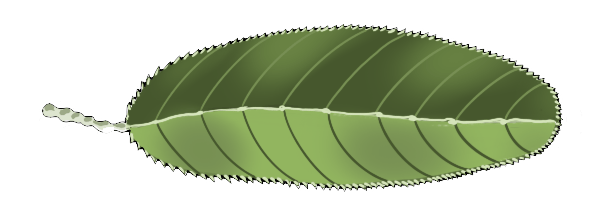
Name: African Zebrawood Leaf
In subequatorial Africa exists an iconic tree providing beauty for people across the continent, its hardwood prized globally for its use in luxury furniture production. It is none other than African Zebrawood! Sadly, despite popularity, the sheer rate at which this tree gets logged has reached dangerous levels, leading to it being considered endangered. Poachers even resort to employing illicit tactics like felling protected specimens or smuggling wood through unregulated channels to satisfy foreign market demands. Conservational efforts now focus on increasing public awareness of sustainable resource management practices while investing in domestic industries processing legal logs. By working together, we may still save this valuable, timeworn tree from going extinct entirely.
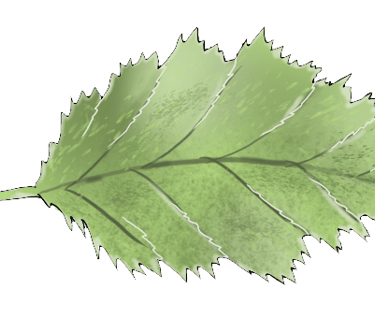
Name: Arran Service Tree Leaf
Deep inside Scotland's Isle of Arran nestles a rare botanical gem, facing uncertain prospects due to habitat fragmentation and climate change – the Arran Service Tree. This tree boasts a distinct appearance, characterized by heart-shaped lobed foliage and delicate white flowers that bloom between May and June. While once commonplace along ancient woodland sites, today, less than 100 specimens persist. Preservation efforts include establishing seed banks and raising general awareness about this cherished national treasure, allowing nature enthusiasts to relish the enchantment of this prehistoric remnant, connecting them intimately to our past, present, and future.
Name: Barrel Tree Leaf
Deep in the remote reaches of Gabon lies a hidden secret, waiting patiently beneath lush green canopies -- the last two individuals in the entire world that make up the Barrel tree's population, dubbed 'endlings'. Their fate hangs precariously amidst poaching threats fueled by black markets seeking illegally extracted products, further compounded by a lack of comprehensive action plans by concerned authorities. Scientists race against the clock in pursuit of biotechnological innovations aimed at cloning this incredibly slow-growth species. Despite adversities, there lies hope that these unique, ancient trees may yet continue to gracefully thrive, their presence symbolizing resilience throughout nature's vast, interconnected web of life.
Name: Bastard Gumwood Leaf
Amidst South Africa's Western Cape Province rests a small, underappreciated tree genus aptly named Bastard Gumwood (Commersonia angolensis) whose very existence teeters precariously close to vanishing forever. Habitat loss resulting from intensifying agricultural activities and illegal logging exacerbates pressure from climate change impacts, leaving little chance of recovery unless drastic measures receive prompt attention. Concerted campaigns targeted towards bolstering effective law enforcement systems remain essential to ensure adequate regulations protect what's left, permitting this unsung hero to rebound and rejoin society's biodiverse tapestry.
Name: Big Leaf Mahogany Leaf
From towering heights above sea level to dense rainforests, Central America witnesses the struggle of Big Leaf Mahogany (Swietenia macrophylla), an exceptional botanical marvel facing extinction. A victim of rampant deforestation and weak governance policies, its survival hinges on desperate conservation efforts. Illegal trade persists as a major threat, but initiatives driven by passionate advocates aim to curtail exploitative actions and educate consumers on sustainable choices. As long as human ingenuity remains resolute, a brighter tomorrow glimmers on the horizon, offering renewed chances for this majestic species to reclaim its rightful place within Earth's wondrous mosaic.
Name: Bukharan Pear Leaf
Nature's vault conceals many mysterious secrets, including the stunning beauty of the critically imperiled Bukharan Pear Tree (Pyrus bucharica). This indigenous denizen inhabiting arid zones faces numerous existential perils, such as extreme weather conditions, overgrazing, and unregulated fruit harvesting. Strategic conservation approaches are critical to secure a future for Pyrus bucharica within its ecological haven. Together, we must work toward fostering harmony between mankind and the natural world, preserving its legacy for generations to come.
Name: Yellow Coneflower Leaf
Standing tall amidst the golden grasslands of North Dakota, the rare, endemic Yellow Coneflower (Ratibida pinnata) dazzles passersby during summer months. However, this captivating flora struggles against insurmountable odds, including oil extraction development, agricultural expansion, and roadside maintenance practices. Lamentably, time ticks away as dedicated organizations valiantly attempt to maintain protected habitats through research, seed collection, and public education endeavors. But how much longer can this mesmerizing gem endure? Each passing moment demands urgent action lest we lose this precious jewel adorning our natural treasure trove forevermore.




The Unforgettable Day Waponiwa Met Portuguese Jesuit de la Fermosa Garota
PM James Lovelock requested Captain Gaia to find a person with recognized prestige and adequate skills to lead the Jesuit economic model of reductions in the Amazon jungle. Gaia remembered a Portuguese Jesuit priest named "de la Fermosa Garota" whom he had worked with in the past on a mission dealing with Jewish refugees from the Anthropocene wars in Europe. He considered him a suitable candidate. De la Fermosa Garota, who currently resided in Europe and was enjoying his life, accepted the offer hastily. However, he had a problem to deal with, as he was expecting two offspring allegedly resulting from his wild nights. He was a man of many talents and strengths, but also had a reputation as a partying and impulsive person, which was evident from his offspring scattered throughout various regions.
Time travel had become a standard practice for those who could afford it, and our protagonists were used to it. Captain Gaia instructed de la Fermosa Garota to meet Waponiwa in his village. The Padre was dreaming of the various substances that the tribe had mastered as he arrived at the TimePort of Asunción, Paraguay. He travelled to Waponiwa's tribe by car and was greeted with caution as his behavior was well-known even in remote areas of the Amazon jungle.
Waponiwa still expected to welcome him in style and offered him their best food and alcohol. De la Fermosa Garota presented two simple schematic drawings of a woman and a mushroom that he had created himself. As soon as Waponiwa saw the drawings, he knew that he was in for a wild ride. The Padre had always been known for his love of women and his taste for exotic substances, and it seemed that this time would be no different.
Waponiwa nervously handed over the reins of the Jesuit economic model to the Padre, hoping that he would be able to handle the responsibility. However, it soon became clear that de la Fermosa Garota had his own agenda. He spent most of his time partying and carousing with the local women, and the reductions were soon falling behind schedule. The Padre was more interested in exploring the jungle and sampling its many exotic delights than he was in actually doing any work.
Meanwhile, Captain Gaia was growing increasingly frustrated with the Padre's antics. He had trusted him to get the job done, but it seemed that de la Fermosa Garota was more interested in living it up than in actually helping the people of the Amazon. As the weeks went by, the reductions continued to lag behind schedule, and tensions grew between the Padre and the rest of the team. It seemed that de la Fermosa Garota was more interested in sowing his wild oats than in actually doing any work.
Finally, one day, the Padre disappeared into the jungle with a group of local women, and he was never seen again. Captain Gaia and the rest of the team were left to pick up the pieces, and it was clear that they would need to find someone else to take over the Jesuit economic model of reductions. And so, the Padre's legacy lived on in the Amazon jungle, where his many offspring continued to spread far and wide. But as for the Jesuit economic model of reductions, it was clear that they would need to find someone with a bit more focus and discipline to take over the job.
In the end, Captain Gaia learned his lesson and decided to go with a more reliable candidate for the job. They found a highly qualified economist who had a proven track record of success and no wild offspring to distract him. As for de la Fermosa Garota, his legacy continued to spread far and wide, but not in the way he had hoped. His many offspring, scattered throughout Europe and beyond, became the stuff of legend.
Rumors spread of wild parties and impulsive behavior, and soon his name became synonymous with all sorts of debauchery and excess. But the Padre himself was nowhere to be found, and no one knew for sure what had happened to him. Some said he had gotten lost in the jungle, while others claimed he had been eaten by a pack of wild jaguars. But the truth was far stranger than anyone could have imagined.
Years later, a group of explorers stumbled upon a remote tribe in the heart of the Amazon jungle. And there, living among the tribe, was none other than de la Fermosa Garota himself. With his newly found tribe support, Padre de la Fermosa Garota underwent a transformative process of introspection, guided meditation, and herbal medicine provided by the Guaraní people. This spiritual pilgrimage helped him uncover the truth about himself. His long-suppressed authentic identity emerged from beneath layers of societal expectations: he identified as genderfluid (they/them) rather than the male persona he had assumed since birth.
From an adept seducer, she blossomed into a loving trans person who nurtured meaningful relationships in a polygamist household consisting of multiple partners (husbands). These beloved companions stood steadfast alongside her through thick and thin, supporting her journey of exploration, empathy, and generosity.
It seemed that the Padre had finally found true happiness, living out his days among the simple people of the jungle and sowing his wild oats in a more peaceful manner. And as for his many offspring, well, they continued to thrive and spread far and wide, bringing a bit of the Padre's wild spirit to the far corners of the world.
And so, in the end, it seemed that de la Fermosa Garota had found his true calling after all, living out his days in the heart of the Amazon and leaving a legacy that would never be forgotten.