
From Farm to Freedom: Lt. Bear Prophet's Mission to Save Abused Animals
I have asked Lieutenant Cyborg Bear Prophet that is well equipped to discuss the spy network composed of critically endangered or abused animals because of his vast knowledge of cybernetic enhancements. His expertise allows him to effectively communicate with the enhanced agents and understand the benefits of using them in espionage operations. Lt. Bear Prophet stood out for his courage and leadership skills in the liberation of thousands of animals crammed into farms, waiting for an atrocious end to satisfy the fur markets and pharmaceutical and cosmetic laboratories.
Standing out in the great cyborg's attire is a flag with the shield of the "Freed Minks", in which a mink is seen coming out of a cage, as well as the motto that it wears on its chest framed in an image of a fur coat: Fur Free World. Wherever our hero goes, he is always accompanied by his beloved pet, a puppy rescued from a fighting dog kennel named “Terra”, Roman form of Gaia (Greek).
His experience as a prophet also enables him to recognize patterns and make predictions about potential threats, which makes him valuable in identifying and counteracting emerging security concerns. Overall, his unique combination of skills positions him as an ideal authority figure to lead the discussion surrounding these exceptional animal operatives. Lieutenant Cyborg Bear Prophet, is the head of the Land Army, responsible for the armies of cyborgs. He commands 20,000 individuals. He is armed with a cannon emitting brutal solar rays. Said weapon is integrated into his left arm. More details will be given before launching his set of NFTs.
Why Lt. Cyborg Bear Prophet?


THE ECOWARRIORS OF THE METAVERSE SPIES
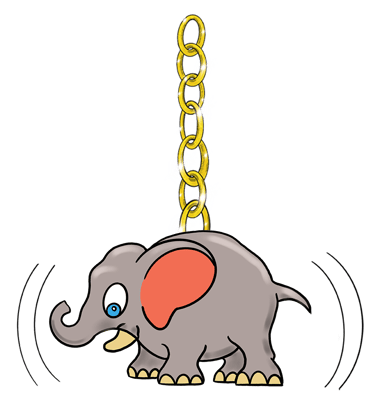
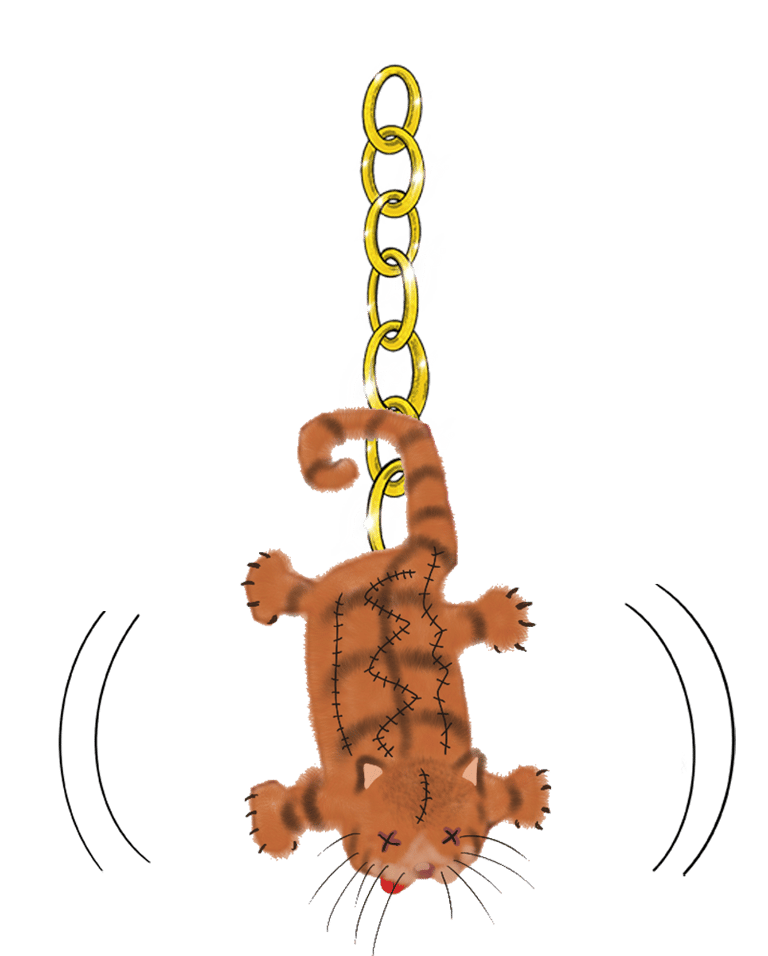
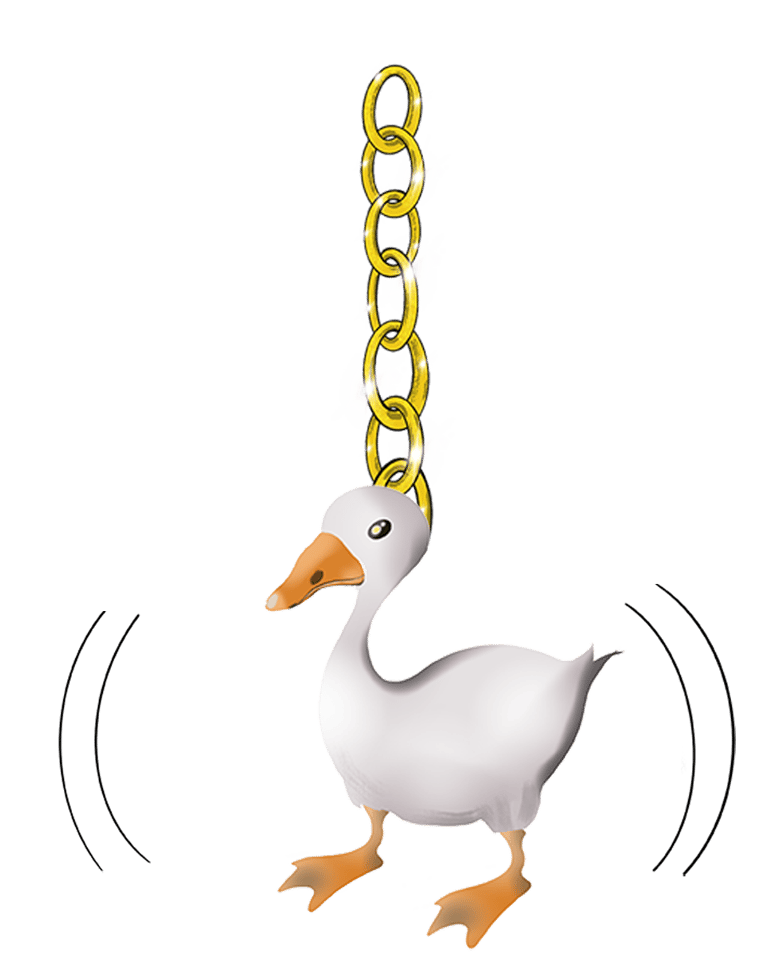
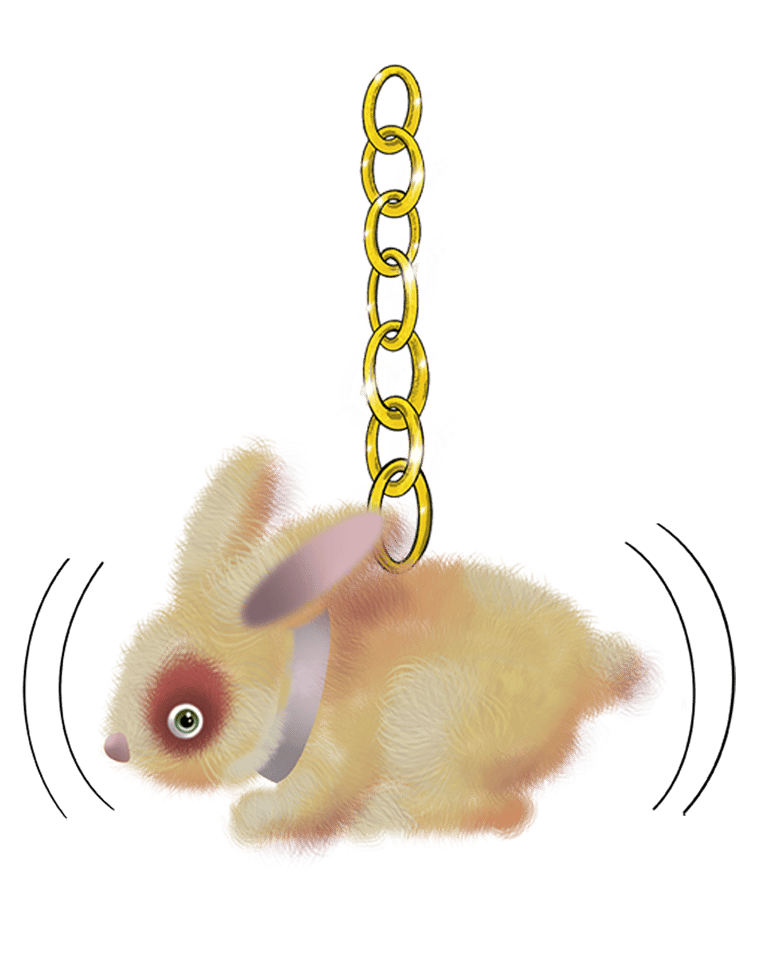
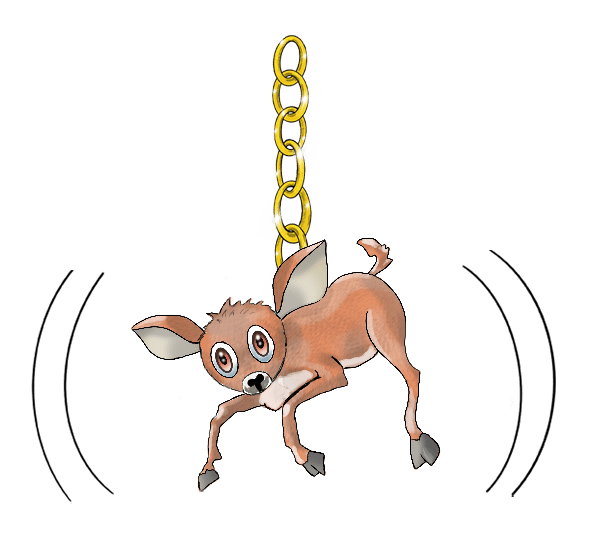
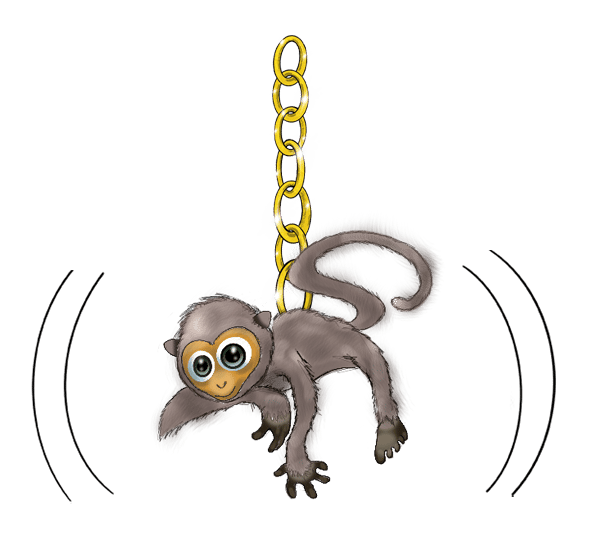
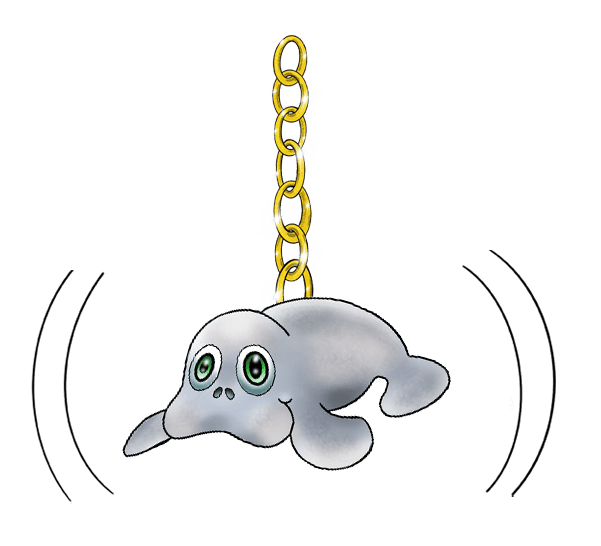
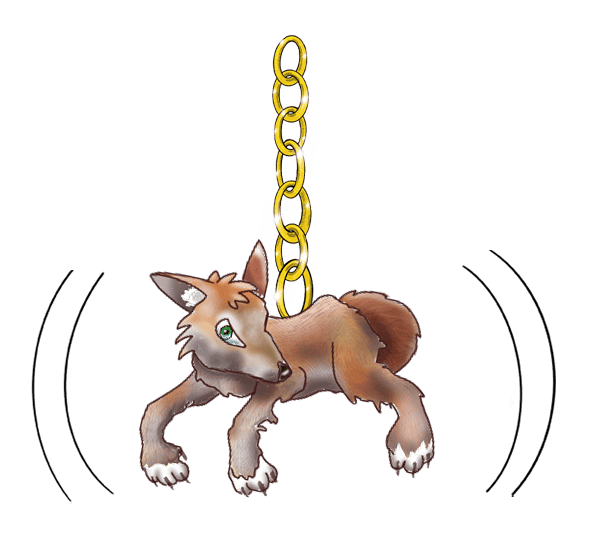
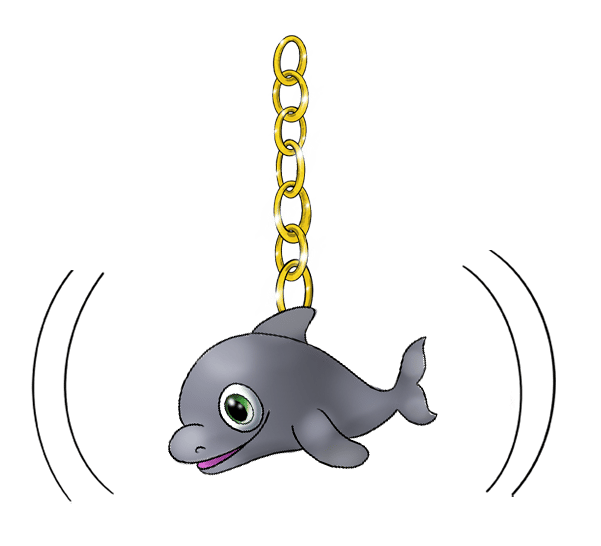
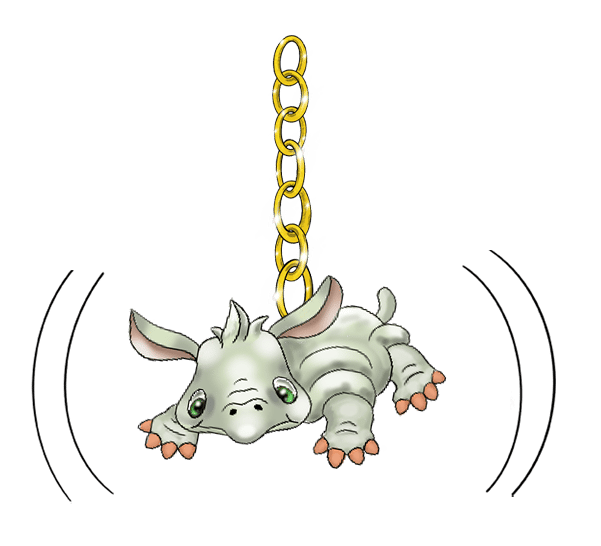
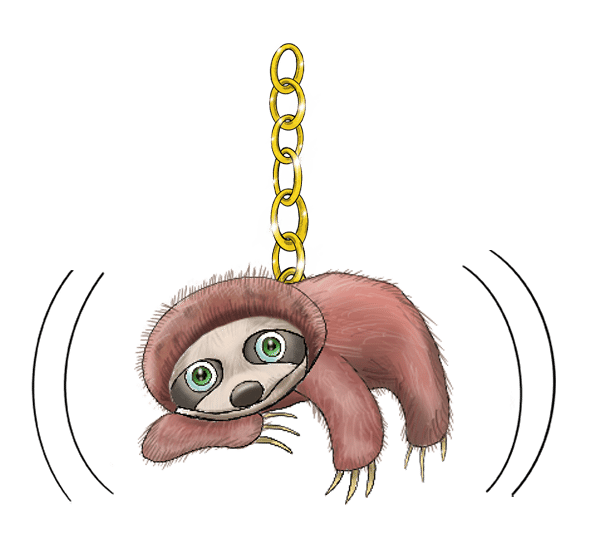
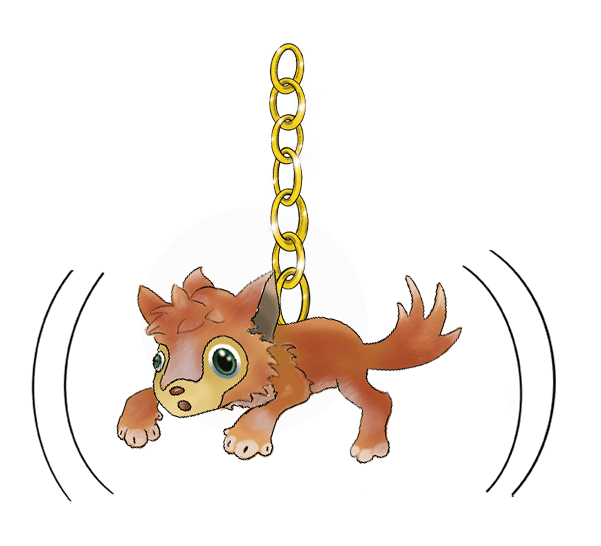
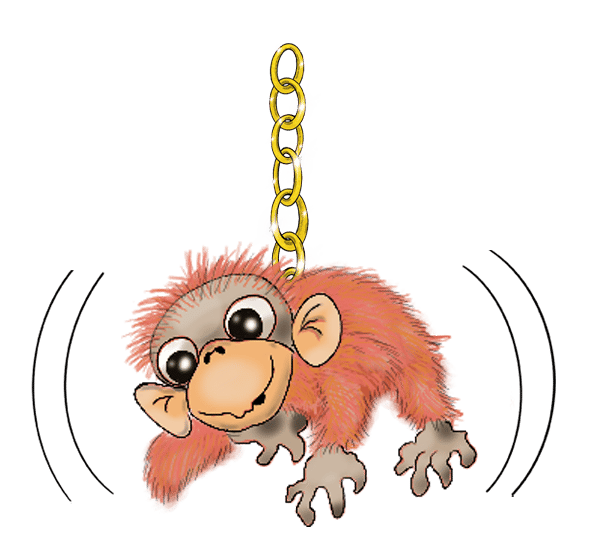
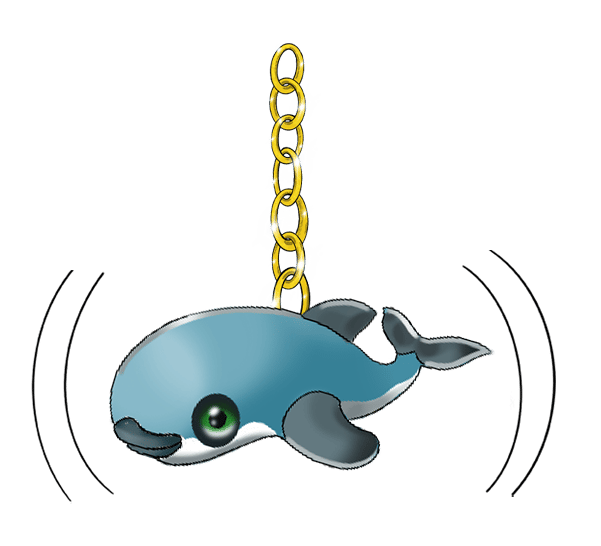
These are part of the 18th trait, “Earrings”. They are composed of an endangered or abused animal species that have a gold chain attached to them that will allow them to hang from the Left Ear, our 19th trait
Evil humans from all walks of life have banded together to battle the loyal soldiers of Captain Gaia's Ecowarriors of the Metaverse who fight side by side with good-hearted humans and their animal and plant allies. In addition, the forces of the "Save the Planet" coalition have a network of spies that they have selected from among the most distinguished candidates. In the end, they realized that the best of all were individuals from the most endangered and abused species on planet earth, which we present to you in this confidential dossier, like all the previous ones.
Name: Giant Panda, which operates in China
Giant pandas are native to China and are known for their distinctive black and white fur. Adult giant pandas typically weigh between 70 and 90 kilograms (approximately 154 to 198 pounds) and live mainly on bamboo but will occasionally eat other plants, eggs, fish, yams, oranges, or even honeys. Due to habitat loss and fragmentation caused by logging, farming, and urbanization, as well as poaching, the International Union for Conservation of Nature lists them as an endangered species. Major conservation efforts are currently in place to protect giant pandas and their natural habitats.


Name: African Forest Elephant, which operates in the forests of Africa
The African forest elephant is one of three recognized subspecies of African elephants, along with the savanna and bush elephants. These smaller, darker-colored elephants dwell primarily in dense tropical rainforests across central Africa. They play vital roles in maintaining healthy ecosystems through seed dispersal and creating clearings. Poaching, however, remains a significant threat due to ivory demand, resulting in their decline over time. In 2016, the IUCN reassessed the African forest elephant status from vulnerable to endangered. Estimated population numbers range around 400,000–650,000, compared to around 2 million savanna elephants remaining. Concerted actions are required to stop illegal hunting and preserve suitable habitats for long-term survival.

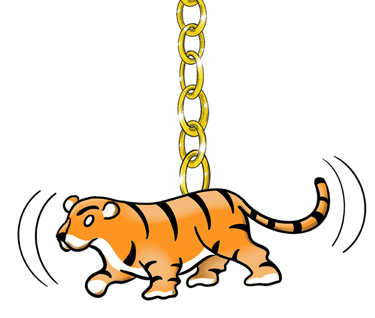

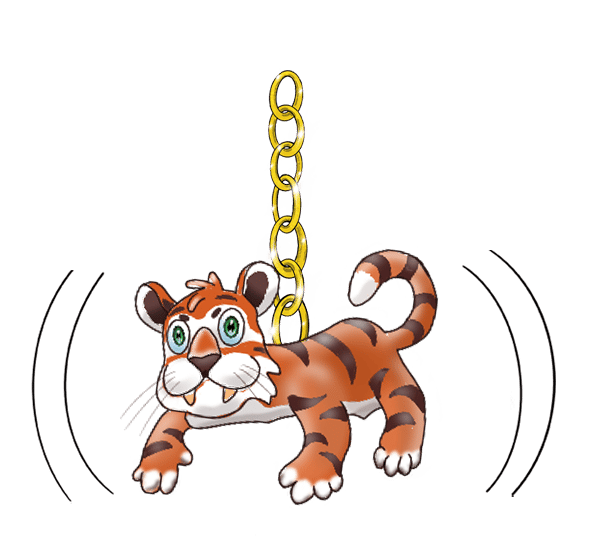
Name: Tiger, which operates in Southeast Asia
Tigers are part of the Felidae family, characterized by distinct orange coats with vertical stripes that vary in color from yellow to brown or black, and thick fur ranging between 6 cm and 11cm in length. There exist six distinct subspecies based on geographic location: Bengal, Amur, Sumatran, Malayan, Siberian, and Indochinese. With diverse habitat types such as grasslands, forests, wetlands, and rocky landscapes, wild populations can be found across Asia, predominantly within India, Russia, China, Nepal, Bangladesh, Bhutan, and Myanmar.
Since tigers have cultural significance throughout Asian countries, many traditional medicines incorporate their body parts. Illegal trade activities also exacerbate declining population figures. Although some success stories exist from conservation projects, general survival rates remain critical, particularly among western populations like the Caspian tiger and Javan tiger. Continuing support from organizations, governments, and individuals alike is necessary for continued preservation efforts. By addressing human-wildlife conflict issues and curbing unregulated hunting practices, future prospects for tiger survival may improve.
Name: Polar Bear, which operates in the Arctic
The international protection status of polar bears varies, with three classifications: Appendix II of CITES, and two of the ESA (Endangered Species Act): threatened and experimental nonessential; however, this differs country to country. For instance, Canada considers polar bears outside national boundaries as "special concern" whereas Greenland has not made any official statements regarding polar bears' status. Further research is needed to fully comprehend how climate change influences various components related to polar bears’ lives. Without proper understanding, protection measures, such as those taken against illegal trafficking and hunting, might prove insufficient in guaranteeing their continued existence in Arctic environments. By working together globally to mitigate harmful effects brought upon via greenhouse gases emissions, we can hopefully ensure long-lasting safety measures beneficial for both humans and polar bears.
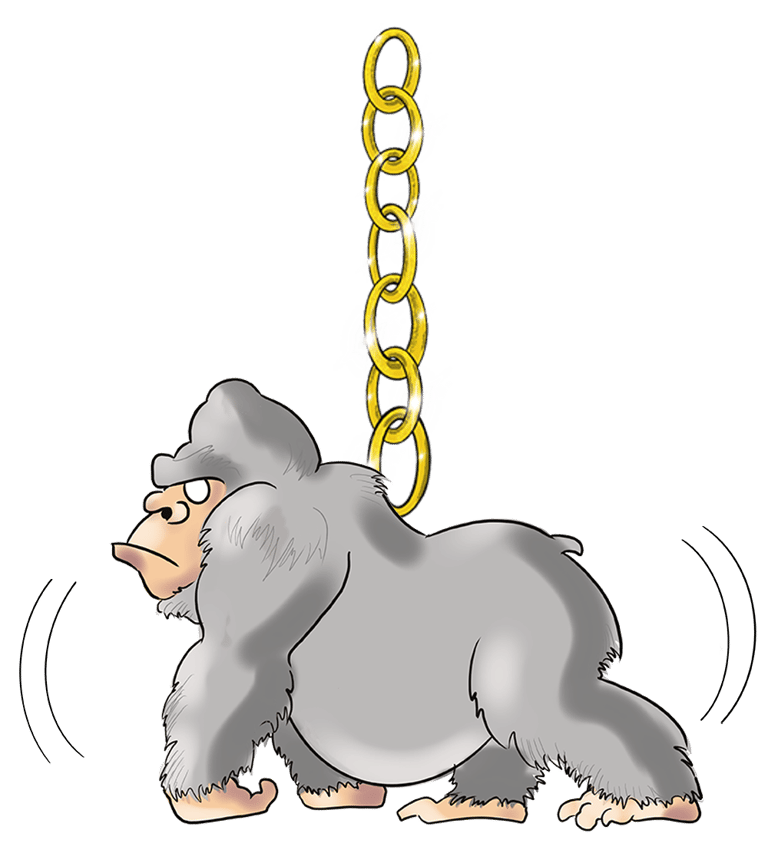
Name: Eastern Lowland Gorilla, which operates in the rainforests of Africa
Eastern lowland gorillas are one of four gorilla subspecies inhabiting Central African nations. They exhibit slightly lighter skin than western counterparts and feature pronounced brow ridges along with shorter teeth. This subspecies spans Gabon, Republic of the Congo, Democratic Republic of the Congo, and Equatorial Guinea, specifically located in vast swampy plains, primary forests, and secondary forests. Eastern lowland gorillas usually travel alone or in small groups averaging five members per band. Hunting and mineral extraction industries contribute significantly to eastern lowland gorilla population reduction. However, efforts are being undertaken to promote habitat protection, park management improvement, anti-poaching initiatives, and community involvement programs to enhance conservation efforts. Additionally, cross-border collaboration continues apace to reinforce these endeavors. Overall, the current trend towards stabilizing eastern lowland gorilla numbers persists.
Name: Spectacled Bear, which operates in South America
Spectacled bears—also known as Andean bears—are native solely to South America. These omnivorous creatures possess light-brown fur and distinct “spectacles” on their faces created by darker fur around each eye. They roam mountainous terrains encompassing Peru, Bolivia, Chile, Argentina, Colombia, and Venezuela, living in high-altitude forests, scrub areas, and open paramo (Alpine vegetation). Adult males can reach lengths up to eight feet long when standing upright. They are skilled climbers, tree-dwellers, and solitary animals except during mating season. Despite poaching, road accidents, loss of habitat, and degradation of natural resources caused by mining operations, several conservation programs and organizations work toward ensuring Spectacled bear viability. One notable project involves building artificial dens for displaced cubs and restoring damaged land for overall improved livelihoods in affected communities.


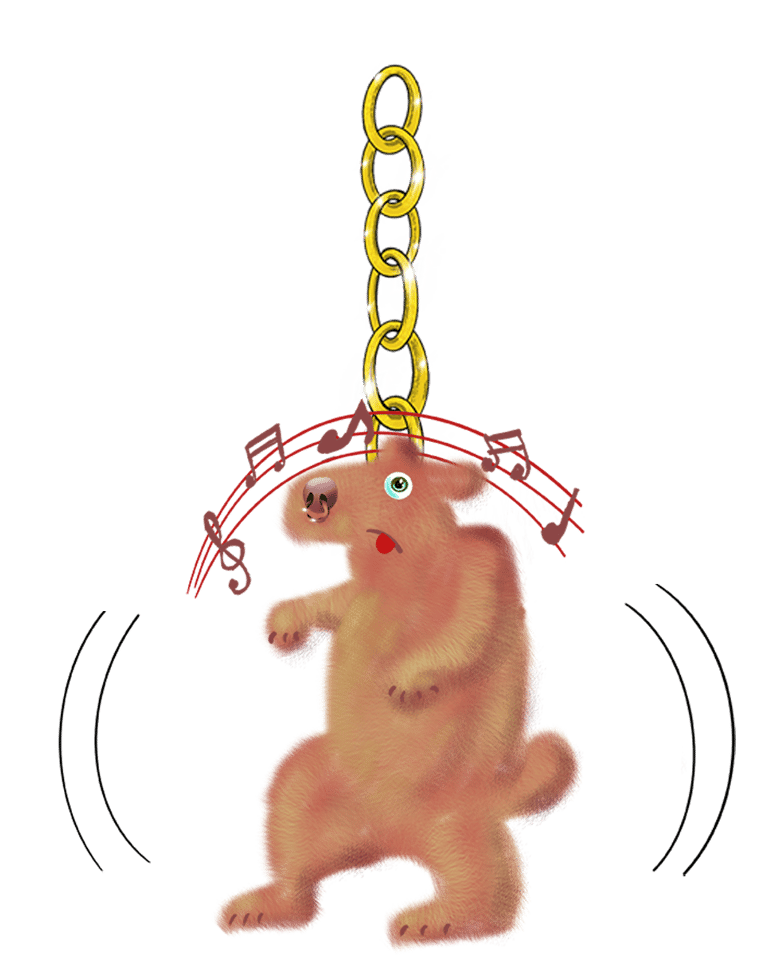
Name: Dancing Bear, which operates in Central and Eastern Europe
Dancing bears have been an issue in Eastern Europe, with the practice originating centuries ago, but it was only banned officially in 2009 through international pressure and lobbying. Bears were captured from the wild, trained using cruel methods such as beatings and starvation, and forced to perform in front of audiences. The bears would often wear painfully tight collars, and their handlers would administer electric shocks if they didn't dance properly. In addition to physical abuse, the bears were exposed to poor living conditions and chronic stress. After years of campaigning by animal rights activists and advocacy groups, progress was made in ending the practice. In 2018, Serbia became the last of nine former Yugoslavian states to pass laws outlawing all forms of exploitation, which includes bearing farms that use Asiatic black bears. Today, most of the remaining dancing bears live out their days in sanctuaries that offer them veterinary care, nutritious diets, and safe havens free from abuse. While there are still occasional reports of illegal bears performing in markets and fairgrounds, authorities are taking steps to stop these incidents and prosecute perpetrators.
Name: Pharma Lab Animal, which operates in all Pharma Labs around the world
Some facilities have faced criticisms over the years due to allegations of substandard conditions, mistreatment, and unnecessary suffering inflicted upon lab animals. Neglectful acts can range from confining animals in small spaces, failing to address injuries or illnesses promptly, depriving them of adequate nutrition or water, subjecting them to unrelieved pain or distress, and denying opportunities for socialization or mental stimulation. Additionally, certain breeding farms that supply research institutions might engage in force-feeding and hormone manipulation, which results in physical harm to mother animals.
Name: Foie Gras Producing Duck, which operates mainly in France
Foie Gras is produced by force-feeding ducks or geese, which involves putting metal pipes down their throats several times per day to increase the size of their livers. This process causes severe distress and immense suffering for the animals. These force-fed birds spend their lives cramped into tiny pens called "gavages," unable to engage in natural behaviors like flying, foraging, swimming, preening, or bathing. They often develop serious health problems such as inflamed eyes, broken bones, diseased internal organs, and even ruptured esophagi. Despite efforts by animal welfare groups to ban the production of foie gras, it continues to exist legally in various regions around the world, including France and parts of the United States. Consumers increasingly express concern and oppose buying products associated with animal cruelty, choosing plant-based alternatives instead.
Name: Cosmetic Lab Animal, which operates in all Cosmetic Labs around the world
Cosmetics manufacturers expose thousands of animals annually to painful and lethal chemical tests to check product safety for humans. Many methods still employ live creatures despite technological advancements leading to advanced computer modeling, artificial skin or cornea constructs, and cellular assays. The primary objective is evaluating whether chemicals will cause long-term damage or death when applied topically or ingested via lip balm, shampoo, makeup, toothpaste, lotion, hair dye, deodorant, sunscreen, or other personal care items. In particular, acute systemic toxicity tests require forcing huge quantities of substances down an animal's stomach using tubes. Subchronic or chronic repeated dose toxicology exams subject rodents, usually females because they are less expensive, to receiving daily gavage administrations or dermal applications at high frequencies for extended periods. Such examination sequences continue until evidence surfaces of gross organ damage, terminal sickness, tumors, premature mortality, or infertility. Toxicity pathways can also be analyzed using in vitro human or animal cells grown outside living bodies within Petri dishes, bioreactors, or microfluidic devices incorporating gene editing tools. The ultimate goal centers on finding safer replacements for existing test models to eradicate outdated reliance on sacrificial vertebrates, but progress proceeds slowly against entrenched regulatory inertia and reluctance toward change within multibillion-dollar industries.
Name: African Wild Dog, which operates in Africa
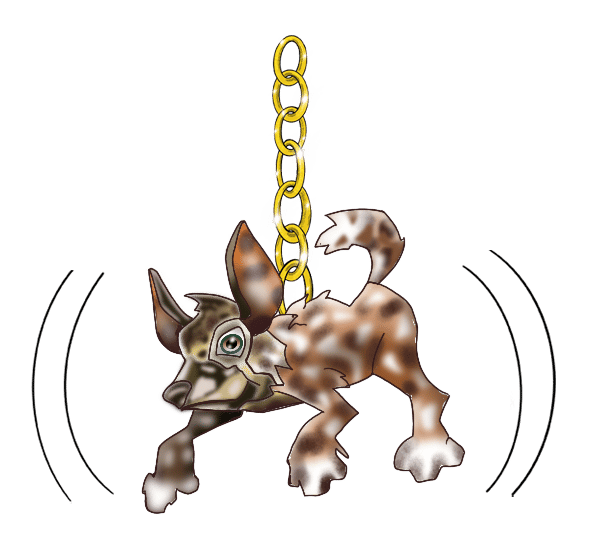
African wild dogs—also known as painted wolves—are indigenous exclusively to Africa. These carnivorous creatures sport multicolored, patchy coats, unique to each individual, giving them a "painted" appearance. They are found roaming across diverse landscapes, from the arid zones of the Kalahari Desert to the grasslands of the Serengeti and the bushy savannas of South Africa, demonstrating a wide range of adaptability. Adult males and females are similar in size, with an average length reaching up to five feet from nose to tail tip. They are known for their extraordinary endurance, teamwork in packs, and intricate social structures. However, they are also mostly solitary animals outside of their immediate packs. African wild dogs face significant challenges due to human-wildlife conflict, habitat fragmentation, infectious diseases like canine distemper and rabies, and road accidents. Rapid human population growth and subsequent expansion into wild areas have pushed these animals into increasingly isolated pockets of suitable habitat. Nevertheless, several conservation initiatives and organizations are dedicated to ensuring the survival of African wild dogs. A noteworthy project focuses on educating communities about coexistence, implementing vaccination campaigns to curb disease transmission, and securing protected corridors to allow safe movement and enhance genetic diversity among the dwindling populations.
Name: Amur Leopard, which operates in Eastern Russia and Northeastern China
Amur leopards—also known as Far Eastern leopards—are native exclusively to the Russian Far East and northeastern China. These carnivorous cats are renowned for their gorgeous rosetted fur, which is particularly long and dense, a vital adaptation for their cold, snowy habitat. They dwell in the temperate forests and rugged terrains, adept at navigating the harsh winters and rocky inclines of the region. Adult males can reach lengths up to five feet from head to tail, excluding their nearly three-foot long tail. They are known for their agility, stealth, and solitary behavior, except during mating season. Amur leopards are critically endangered, largely due to poaching for their beautiful fur, depletion of their prey species, habitat loss from unsustainable logging, human encroachment, and climate change. The fragmentation of their habitat also makes them vulnerable to inbreeding, further threatening the genetic health of the population. Despite these challenges, several conservation programs and organizations work tirelessly to secure the future of the Amur leopard. One significant project involves increasing anti-poaching measures, monitoring leopard populations with camera traps, restoring the natural prey base, and fostering trans-boundary cooperation for conservation. Such initiatives aim not only to conserve the species but also to restore the balance of the whole ecosystem they inhabit.
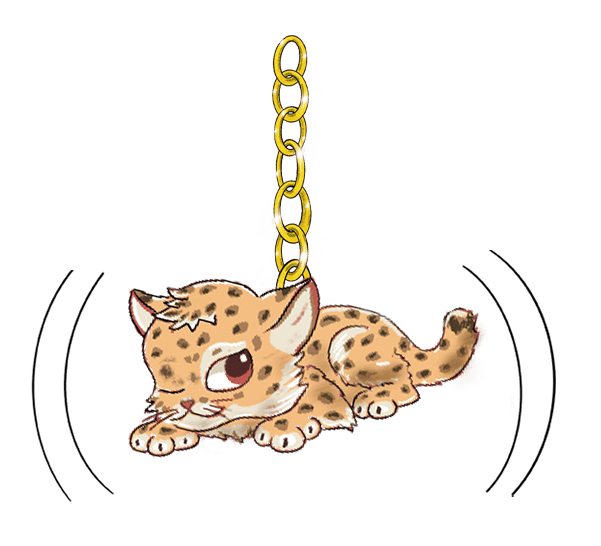
Name: Bactrian Camel, which operates in Central Asia
Bactrian camels are native to the cold deserts of Central Asia, inhabit arid terrains across Mongolia and China's Xinjiang. These herbivorous creatures, reaching lengths up to ten feet with humps standing an extra three feet, are renowned for their exceptional endurance, ability to survive without water for months, and their social behavior in herds. However, these resilient animals are critically endangered due to hunting for meat and hide, competition with livestock, habitat loss due to industrial development, climate change, and genetic threats from hybridization with domestic Bactrian camels. To counteract these challenges, several conservation programs focus on community-based efforts, improved management of protected areas, enforcement of hunting laws, and public awareness campaigns, striving to stabilize and increase the population of one of Earth's most adaptable creatures.
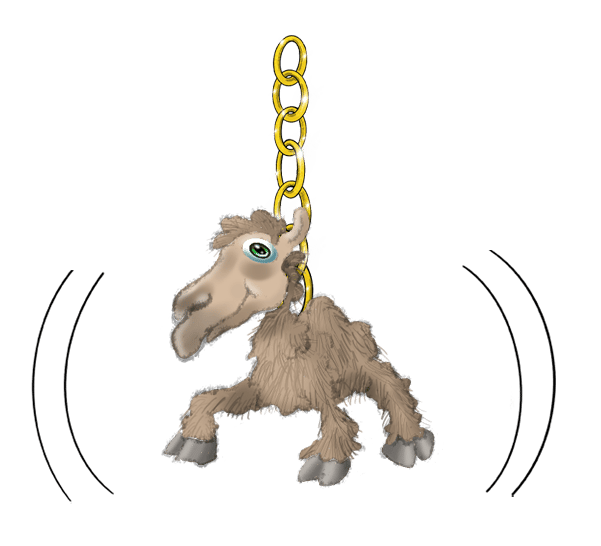
Name: Bawean Deer, which operates in Bawean Island, Indonesia
Bawean deer—also known as Kuhl's hog deer or Bawean hog deer—are endemic to the Indonesian island of Bawean. These herbivorous mammals, identifiable by their slender build and distinct antlers, inhabit the dense, lowland forests scattered across the island. Adult males, reaching lengths of up to five feet from head to tail, are known for their solitary nature, except during the mating season. Despite being excellent swimmers, Bawean deer have a primarily terrestrial lifestyle and are nocturnal. They face a critical threat of extinction due to hunting for their meat and antlers, habitat loss due to agricultural expansion and logging, and the small size of their island home. Various conservation initiatives are ongoing, focusing on enhancing protected areas, enforcing anti-poaching laws, and conducting ecological studies to better understand the needs of this unique species and ensure their survival.
Name: Black Spider Monkey, which operates in Central and South America
Black spider monkeys—also known as Guiana or red-faced spider monkeys—are native to the tropical rainforests of Central and South America. These primates are distinguished by their long limbs and prehensile tails, which they use as a fifth hand when swinging through the dense canopy. Adult males and females are similar in size, reaching lengths of up to five feet from head to tail. Known for their social nature and a diet that helps in seed dispersal, they play a vital role in the health of their ecosystem. However, black spider monkeys face significant threats due to habitat loss from deforestation, hunting for their meat, and the illegal pet trade. Despite these challenges, various conservation efforts are underway to safeguard these agile creatures. These include establishing and maintaining protected areas, promoting sustainable forestry practices, and raising public awareness about the ecological importance of these monkeys and the urgent need to conserve them.
Name: Dugong, which operates in the Indian and Pacific Oceans and the Region Between East Africa and Australia
Dugongs, also known as sea cows, are marine mammals. These gentle herbivores, with their streamlined bodies and paddle-like flippers, inhabit seagrass meadows, which they depend on for sustenance. Adults can reach lengths of up to ten feet, displaying impressive underwater agility despite their bulky appearance. Dugongs play a crucial ecological role in promoting seagrass diversity and productivity. However, they are vulnerable to extinction due to habitat degradation from coastal development and pollution, entanglement in fishing gear, hunting for their meat and oil, and climate change which impacts seagrass meadows. To combat these threats, numerous conservation initiatives are in place. These efforts encompass habitat protection, regulating marine traffic to prevent collisions, promoting sustainable fishing practices, and educating communities about the important ecological role of dugongs and the need to protect them.
Name: Ethiopian Wolf, which operates in the Afroalpine Regions of Ethiopia
The Ethiopian wolf, also known as the Simien fox. These carnivorous mammals, distinguished by their slender bodies and striking red coats, inhabit the rugged terrains and meadows, well-adapted to their unique ecosystem. Adult males can reach lengths of up to three and a half feet from nose to tail tip. Renowned for their social behavior in packs and hunting agility, they primarily feed on rodents. However, Ethiopian wolves face grave threats due to habitat fragmentation and loss from agricultural expansion, diseases like rabies and distemper from domestic dogs, and road accidents. To mitigate these risks, numerous conservation programs focus on enhancing the management of protected areas, implementing vaccination campaigns to curb disease spread, and raising community awareness about the importance of these wolves in maintaining ecological balance. The aim of these initiatives is not only to protect the Ethiopian wolves, but also to sustain the unique biodiversity of the Afroalpine region they inhabit.
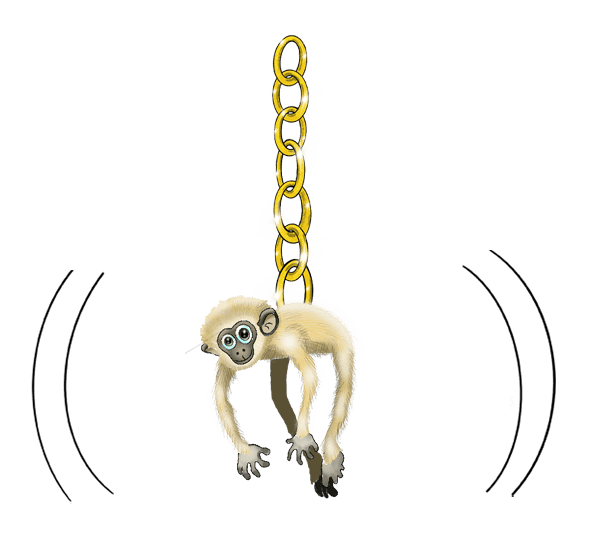
Name: Hainan Gibbon, which operates on Hainan Island, China
The Hainan gibbon, one of the world's rarest primates, is native solely to the tropical rainforests of Hainan Island in China. Recognized by their dark fur and long, slender limbs, they are adept climbers, navigating the forest canopy with great agility. Adult males and females display sexual dimorphism in coloration, with males being black and females golden-yellow, and both reaching lengths of about three feet from head to tail. They are known for their social behaviour in small family groups and their role in seed dispersal, contributing to forest regeneration. However, the Hainan gibbon faces critical endangerment due to habitat loss from logging and agricultural expansion, hunting for traditional medicine, and the inherent risks of having such a small population. Numerous conservation efforts are in action to safeguard this species, focusing on strict law enforcement to curb hunting, habitat restoration and protection, and raising public awareness about the ecological significance of this unique primate and the urgent need to conserve it.
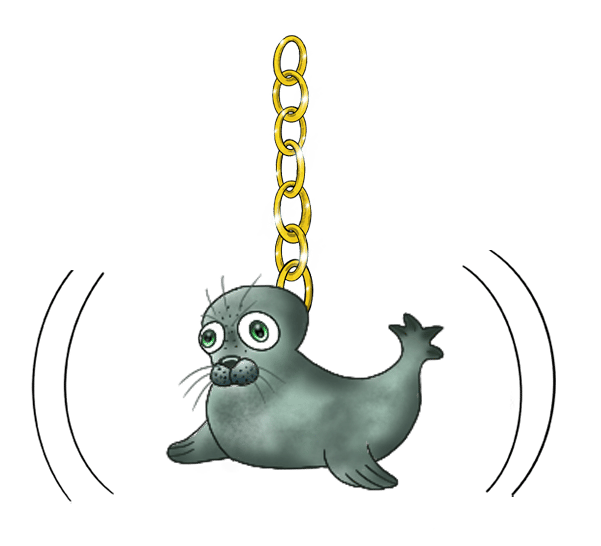
Name: Hawaiian Monk Seal, which operates on Hawaii
The Hawaiian monk seal, an endemic species to the Hawaiian archipelago, is one of the world's most endangered marine mammals. These semi-aquatic creatures, identified by their grey coats and streamlined bodies, inhabit the sandy beaches and surrounding waters of the Northwestern Hawaiian Islands. Adult seals can reach lengths of up to seven and a half feet. Known for their solitary nature and adept swimming abilities, they primarily feed on fish, cephalopods, and crustaceans. However, Hawaiian monk seals face serious threats due to entanglement in fishing gear, habitat loss due to rising sea levels, limited food resources, and diseases. To counter these threats, numerous conservation initiatives are underway, focusing on disentangling seals caught in fishing gear, mitigating human-seal interactions, rehabilitating injured seals, and raising public awareness about the ecological importance of these seals and the urgent need to conserve them.
Name: Indus River Dolphin, which operates in Pakistan
The Indus River dolphin, also known as the bhulan or the blind dolphin, is native exclusively to the freshwater habitat of the Indus River in Pakistan. These unique aquatic mammals, recognized by their long snouts and poor eyesight, inhabit the river's main stem, displaying remarkable adaptability to their fluctuating environment. Adult dolphins can reach lengths of up to eight feet. Known for their lateral swimming style and dependence on echolocation for navigation and foraging, they feed primarily on fish and invertebrates. However, the Indus River dolphin faces significant threats due to habitat fragmentation from the construction of dams and barrages, pollution from industrial and agricultural waste, accidental catch in fishing nets, and reduction in prey due to overfishing. Numerous conservation initiatives are ongoing to protect this species, focusing on improving water flow in the river, promoting sustainable fishing practices, and raising public awareness about the crucial role of these dolphins in maintaining the river ecosystem's health.
Name: Javan Rhino, which operates in Indonesia
The Javan rhino is native solely to the dense lowland rainforests of Ujung Kulon National Park in Indonesia. This herbivorous creature, recognizable by its grey, armor-like skin, can reach lengths of up to 11 feet. Known for their solitary nature and incredible strength, they primarily feed on shoots, twigs, and fallen fruit. Despite being excellent swimmers and mud wallowers, Javan rhinos are rarely sighted due to their elusive behavior. However, they face a critical threat of extinction due to habitat loss from agricultural expansion and the inherent risks of having such a small population in a single location, such as disease outbreak or natural disaster. Various conservation initiatives are in action to safeguard this species. These focus on expanding the available habitat within and beyond the park, monitoring the rhino population with camera traps, and implementing stringent anti-poaching measures. The ultimate goal of these initiatives is to ensure the survival of the Javan rhino, one of the world's rarest large mammals.
Name: Malayan Tiger, which operates in Southeast Asia
The Malayan tiger, native exclusively to the Malay Peninsula and the southern tip of Thailand, is a subspecies of tiger recognized by its distinctive dark stripes on a light orange coat. This carnivorous creature inhabits the dense forests and mangrove swamps, adapting to a diverse range of habitats. Adult tigers can reach lengths of up to nine feet. Renowned for their solitary nature, agility in hunting, and prowess in swimming, they primarily feed on large ungulates. However, the Malayan tiger faces significant threats due to poaching for the illegal wildlife trade, habitat loss from logging and agricultural expansion, and a decline in prey species. To combat these challenges, numerous conservation initiatives are underway. These efforts focus on enhancing law enforcement to curb poaching, promoting sustainable land-use practices, monitoring tiger populations with camera traps, and raising public awareness about the ecological significance of these tigers and the urgent need to conserve them.
Name: North Atlantic Right Whale, which operates Off the Eastern Coasts of USA and Canada
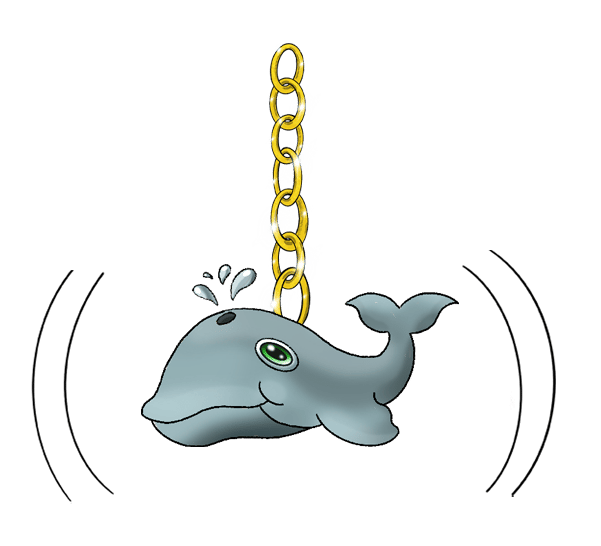
The North Atlantic right whale, one of the world's most endangered large whale species, resides in the Atlantic waters off the eastern coasts of the United States and Canada. These majestic marine mammals, identifiable by their robust bodies and distinctive callosities, inhabit the ocean's surface and shallow waters, migrating seasonally between feeding and breeding grounds. Adult whales can reach lengths of up to 52 feet. Known for their slow speed, acrobatic breaching behavior, and their diet consisting of zooplankton, they play a significant role in marine ecosystem health. However, North Atlantic right whales face substantial threats due to entanglement in fishing gear, vessel strikes, habitat degradation from pollution and climate change. Several conservation initiatives are being implemented to safeguard this species, focusing on modifying fishing gear and practices to prevent entanglement, implementing vessel speed restrictions, and enhancing habitat protection efforts. These initiatives strive to ensure the survival of the North Atlantic right whale, a symbol of the rich biodiversity of the Atlantic Ocean.
Name: Pygmy Three Toed Sloth, which operates in Panama
The pygmy three-toed sloth, also known as the monk sloth or dwarf sloth, is endemic solely to the Isla Escudo de Veraguas, a small island off the coast of Panama. These diminutive arboreal mammals, recognized by their grey-brown fur and unique three-toed limbs, inhabit the mangrove forests of the island. Adult sloths are typically no more than two and a half feet in length. Known for their slow-moving nature and a diet primarily composed of leaves from the red mangrove tree, they play a vital role in maintaining the health of their ecosystem. However, pygmy three-toed sloths face a severe threat of extinction due to habitat loss from mangrove deforestation, illegal hunting, and the inherent risks of having such a small population size. Various conservation initiatives are in action to safeguard this species, focusing on enhancing protected areas, enforcing anti-poaching laws, and conducting ecological studies to better understand the needs of this unique species and ensure their survival.
Name: Red Panda, which operates in Nepal and Myanmar
The red panda, also known as the lesser panda or the firefox, is native to the temperate forests of the Himalayas, stretching from western Nepal to northern Myanmar. These arboreal mammals, distinguished by their reddish-brown fur and raccoon-like faces, inhabit the mid-altitude ranges, well-adapted to a life amidst dense undergrowth and trees. Adults can reach lengths of up to four feet, including the tail. Known for their solitary nature and a bamboo-centric diet, they play an important role in their ecosystem. However, red pandas face serious threats due to habitat loss from logging and agricultural expansion, hunting for their distinctive pelts, and accidental capture in traps intended for other species. To mitigate these risks, several conservation programs are in place. These efforts focus on establishing and managing protected areas, implementing stringent anti-poaching measures, and raising public awareness about the ecological importance of red pandas and the urgent need to protect them.


Name: Red Wolf, which operates in the Southeast of USA
The red wolf, an endemic species to the southeastern United States, is one of the world's most endangered canids. These carnivorous creatures, recognized by their reddish-tan fur and robust physique, inhabit a variety of ecosystems, including forests, wetlands, and coastal prairies. Adult wolves can reach lengths of up to five and a half feet from nose to tail tip. Known for their social behavior in packs and their diverse diet, ranging from white-tailed deer to smaller mammals and even some plant matter, they play a significant role in maintaining the balance of their ecosystems. However, red wolves face severe threats due to habitat loss from agricultural expansion, hunting, and hybridization with coyotes. Several conservation initiatives are ongoing to protect this species, focusing on maintaining the genetic purity of the species, enhancing law enforcement to curb illegal hunting, and fostering coexistence between wolves and humans by raising public awareness about the ecological significance of red wolves and the urgent need to conserve them.
Name: Saola, which operates in Vietnam and Laos
The saola, often referred to as the Asian unicorn due to its rarity, is native solely to the Annamite Range of Vietnam and Laos. These herbivorous creatures inhabit the evergreen forests of these mountainous regions. Adult saola can reach lengths of up to five feet. Known for their elusive nature and preference for remote, undisturbed areas, they primarily feed on leaves, stems, and fruits. Despite being one of the world's rarest large mammals, the saola faces substantial threats due to hunting for the illegal wildlife trade and habitat loss from logging and infrastructure development. To protect this species, several conservation initiatives are in place. These focus on enhancing law enforcement to curb hunting, promoting sustainable land-use practices, and raising public awareness about the ecological significance of the saola and the urgent need to conserve it.
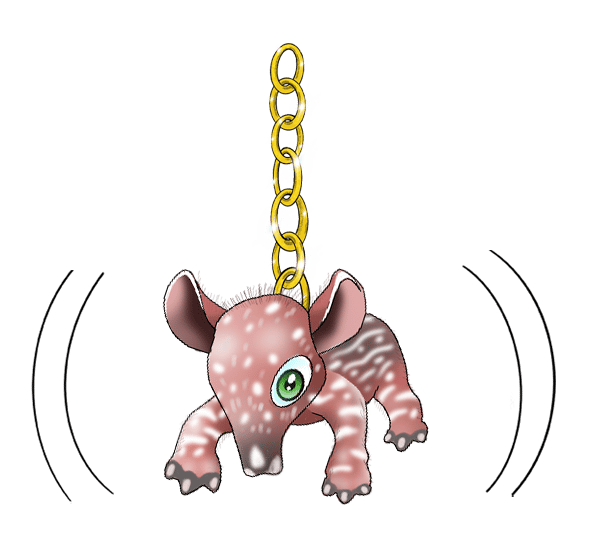
Name: South American Tapir, which operates in South America
The South American tapir, also known as the Brazilian tapir or lowland tapir, is native to the rainforests, grasslands, and swamps of South America, ranging from Colombia and Brazil to Paraguay and Argentina. These herbivorous creatures, identifiable by their unique prehensile snout and stout bodies, can reach lengths of up to eight feet. Known for their solitary behavior and nocturnal habits, they primarily feed on leaves, shoots, fruit, and small branches. Despite their ability to swim and dive to escape predators, South American tapirs face considerable threats due to habitat loss from deforestation for agriculture and livestock farming, and hunting for their meat and hide. Numerous conservation initiatives are being carried out to safeguard this species, focusing on the establishment and expansion of protected areas, implementing anti-poaching measures, and raising public awareness about the vital role of tapirs in maintaining biodiversity and the urgency of their conservation.
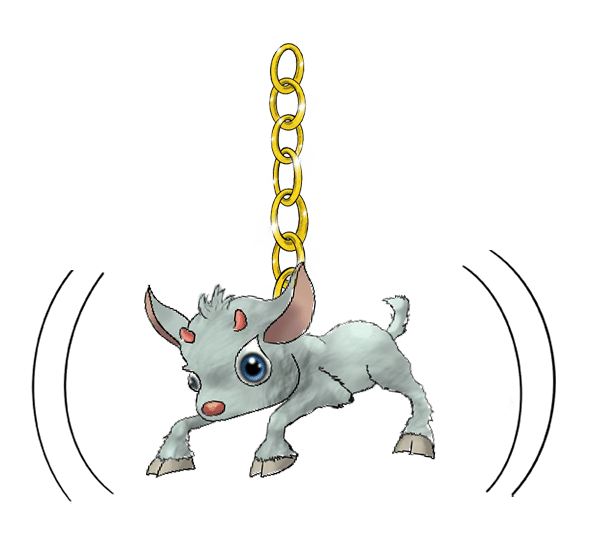
Name: Sumatran Orangutan, which operates in Indonesia
The Sumatran orangutan, native solely to the lush rainforests of Sumatra in Indonesia, is one of the world's most endangered primates. These arboreal mammals, distinguished by their reddish-brown fur and highly intelligent nature, inhabit the treetops of both lowland and hilly areas. Adults can reach lengths of up to four and a half feet. Known for their solitary nature and fruit-centric diet, they play a crucial role in seed dispersal, contributing significantly to forest regeneration. However, Sumatran orangutans face dire threats due to habitat loss from illegal logging, palm oil plantations, and mining, as well as illegal pet trade. Numerous conservation initiatives are in place to counter these challenges. These efforts focus on protecting and restoring orangutan habitat, rescuing and rehabilitating orangutans captured for the pet trade, and educating the public about the ecological importance of these primates and the urgent need to conserve them.
Name: Vaquita Porpoise, which operates in the Gulf of California
The vaquita porpoise, native solely to the northern part of the Gulf of California in Mexico, is the world's most endangered marine mammal. These small cetaceans, identifiable by their dark rings around the eyes and mouth, inhabit shallow, murky lagoons along the shoreline. Adults typically do not exceed five feet in length. Known for their shy and elusive behavior and a diet primarily consisting of fish and squid, they play an integral role in maintaining the health of their marine ecosystem. However, the vaquita porpoise faces a severe threat of extinction due to accidental entanglement in illegal gillnets set for the totoaba fish, a species whose swim bladder is highly valued on the black market. Several conservation initiatives are underway to protect this species, focusing on enforcing gillnet bans, removing illegal fishing gear from the vaquita's habitat, and raising public awareness about the critical status of this unique porpoise and the urgent need to protect it.

The Misfortunes of Terra Owners: Betting Everything on Terra to Watch It All Disappear Over Night
Terra, the promising pup with championship bloodlines, represented the ultimate prize for his ambitious owners. Expectations ran high among the local community, eager to invest in the youngster's bright future. Even before he was born, bets poured in from all directions, fuelled by the promise of immense financial gain. With government backing from the New Universe Order and his unique genetic heritage, it seemed nothing could go wrong for the fortuitous pup.
But behind closed doors, Terra faced a stark reality, one filled with abuse and neglect. His selfish proprietors squandered vast sums, originally earmarked for Terra's wellbeing and bets, on extravagant purchases for themselves. Instead of thriving, the innocent puppy languished in squalid surroundings, deprived of adequate nourishment and love. Harsh training tactics aimed to prepare him for the brutal world of competitive dogfighting only served to heighten his trauma. Desperate times called for desperate measures, and thankfully, destiny intervened in the form of Lt. Cyborg Bear Prophet, fearless defender of defenseless souls. This noble warrior embarked upon a dangerous mission to liberate Terra from his hellhole enclosure and offer him the compassion denied him since birth.
One fine day, Lt. Cyborg Bear Prophet received intelligence regarding Terra, the poor pup held captive and suffering at the hands of unscrupulous dog breeders. Determined to end Terra's woes, Lt. Cyborg sprang into action, armed with his trusty cannon integrated into his left arm. This impressive weapon released solar bursts capable of leveling entire cities, not exactly ideal for discreet rescues. Nonetheless, our intrepid bear adventured forth towards Terra's makeshift prison.
Upon arrival, Lt. Cyborg discovered the ramshackle structure housing Terra barely withstood his tremendous roars let alone his devastating artillery. Taking cover behind a nearby tree, the valiant cyborg summoned every last drop of restraint, mustering sufficient control over his power to minimize collateral damage. A concentrated beam pierced through the roof, narrowly missing Terra cowering below yet obliterating the rickety walls.
Liberated from his confines, Terra basked in the warmth and safety of Lt. Cyborg's protective embrace while simultaneously dodging stray bits of debris. Though shaken by past experiences and initial uncertainty around strangers, Terra soon found comfort in his new ally's gentle touch and words of encouragement. Without further ado, both of them set off into the sunset, Terra secure in the knowledge that henceforth, his days of torment had come to a gloriously explosive close.
Since becoming indebted to Lt. Cyborg for saving him from his bleak existence, Terra has been an ever-present companion to his liberator. Gracious even beyond the call of duty, Lt. Cyborg arranged a tailored harbor for Terra nestled snugly amidst the space separating his metallic appendages. Forever grateful for the act of generosity, Terra repays his debt to Lt. Cyborg via heartfelt fidelity and unfaltering allegiance during all their future endeavors.